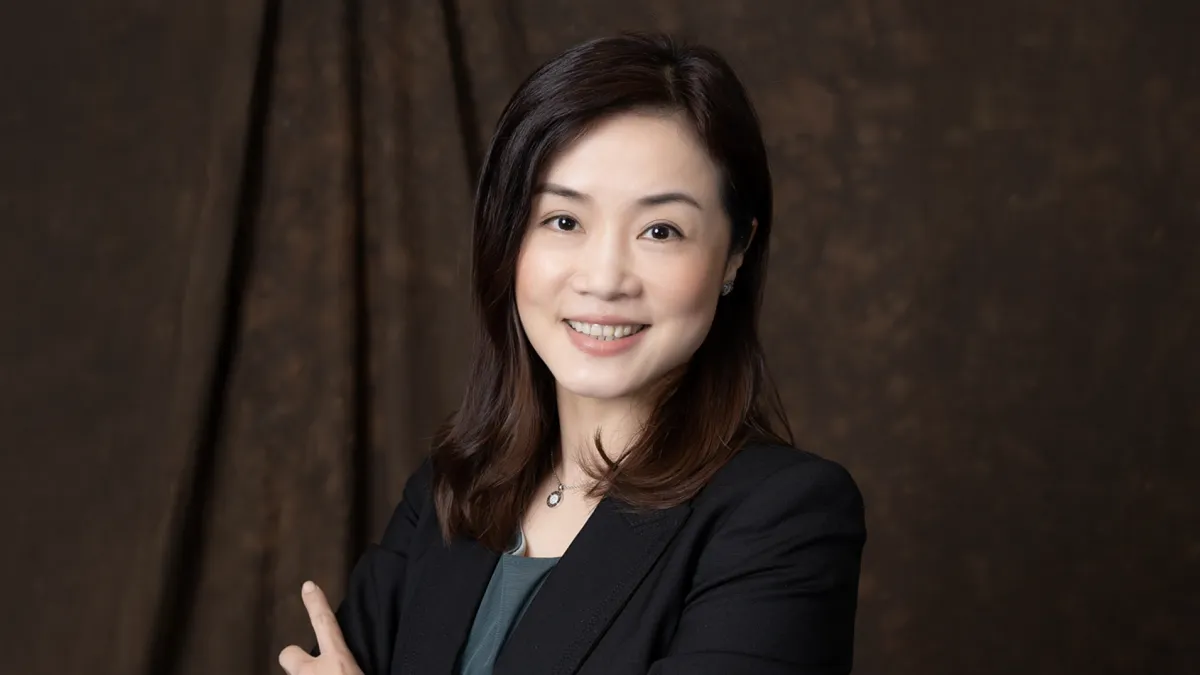
Executive Hot Seat: Cynthia Sze, CEO, Liberty Hong Kong
The CEO expects deeper cross-border integration to bring new challenges and solutions as markets evolve.
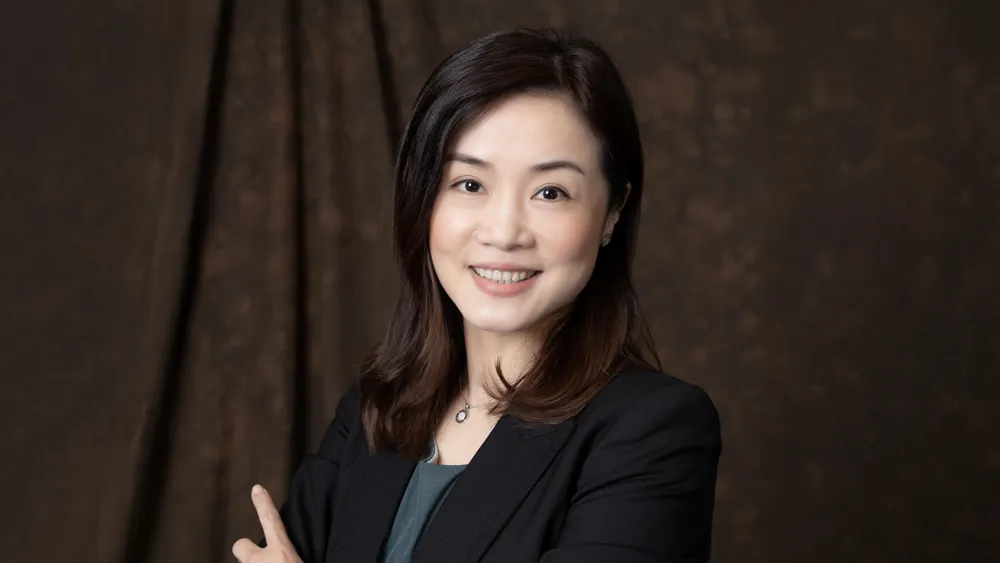
Cynthia Sze joined Liberty International Insurance as Hong Kong CEO in May this year.
This followed almost 16 years with AIG, where she spent many years overseeing financial lines for various Asian businesses before becoming General Manager for Hong Kong and Macau in late 2023. Prior to that, she spent 10 years with RSA (now part of Intact UK).
Sze holds a Bachelor of Arts in Business Administration from the Chinese University of Hong Kong and a Graduate Diploma in English and Hong Kong Law from Manchester Metropolitan University.
She is also an Associate of the Chartered Insurance Institute and completed the Asia Leaders in Financial Institutions programme at the National University of Singapore.
In an interview with Insurance Asia, Sze discussed how the company is perceived in the market, how she and her team are managing the challenges of business integration, dominant trends including AI and reduced reliance on paper processes, and how she thinks the industry will look in five years’ time.
Below is an excerpt of her interview with Insurance Asia:
What is the biggest misconception about your company?
People still think of Liberty in Hong Kong as two separate businesses running side by side—Liberty Insurance handling personal and small and medium enterprises (SME) and Liberty Specialty Markets handling commercial and specialty—each with its own culture, appetite, and pace. That was true. But it isn't anymore.
The real benefit isn't administrative tidiness:; it's what clients and brokers actually get:: one of the broadest product ranges in the market, under a single roof, spanning everyday personal and SME cover, to bespoke solutions for major construction projects, corporate clients, and government organisations.
A broker who once had to work two separate relationships for a multi-line account now gets one underwriting team, one set of specialists, and faster, more consistent service. All that without losing any of the depth that either legacy business brought to the table.
What is the biggest market or operational risk you are monitoring?
Execution risk from our own integration, honestly. Unifying two entities into one is exactly the kind of change that looks clean on a slide but gets messy in practice: systems, underwriting appetite, claims handling, people, etc.
On the market side, it's the emerging risk and wave of exposure coming from Hong Kong's own development agenda, which includes infrastructure and urban redevelopment, the Greater Bay Area integration, ride-share, biotech and tech innovation, and more.
If you had to choose, what technology would you stop spending money on?
We're actively eliminating [paper usage] across claims payments and document management this year, and every dollar we free up from maintaining manual workflows goes toward things brokers and clients actually feel – faster claims decisions, easier access to our risk engineers, and speed doing business with us generally,
What is one insurance trend that is overhyped?
AI will replace underwriters. That gets a lot of airtime, but it's the wrong framing. The emerging risks we're seeing in this market—construction and engineering exposure tied to Hong Kong's infrastructure boom, cyber and tech E&O (errors and omissions) for the innovation sector, life sciences for healthcare—aren't things an algorithm can price on pattern-matching alone. Insurance is a judgement business built on relationships with brokers and clients who've been with us for decades.
How is AI delivering value to your business?
The real value is in speed, not replacement. It's helping our underwriters and claim handlers search and summarise large volumes of information faster, and is helping to digitise manual, paper-based workflows that used to slow everyone down.
It's changed my own day-to-day too—tightening emails, prepping meeting materials, summarising long documents into the two or three things that actually matter.
We're deliberate about building this responsibly across Liberty by giving our people the tools and training to experiment with confidence, rather than adopt AI blindly.
What will the insurance industry look like in five years?
Our insurance solutions need to evolve for the needs of the future, not just today's book of business. Cross-border integration means more regulatory complexity to navigate.
We're also going to need genuinely new insurance solutions for emerging risks and exposures that don't fit neatly into legacy product lines—ride-share, EVs, driverless vehicles, and the specialist demands of a growing trading hub, amongst others.
The insurers who take all of that seriously—building genuine risk engineering depth and specialty underwriting expertise whilst also getting their own governance and risk-sensing right—are the ones who'll still be relevant in five years. Profitable growth will come from that kind of specialisation and discipline.













 Read Here
 Advertise
 Sign Up