Better protection for vulnerable groups could boost PH insurer trust: AXA
Insurers can draw from guidance used in other jurisdictions.
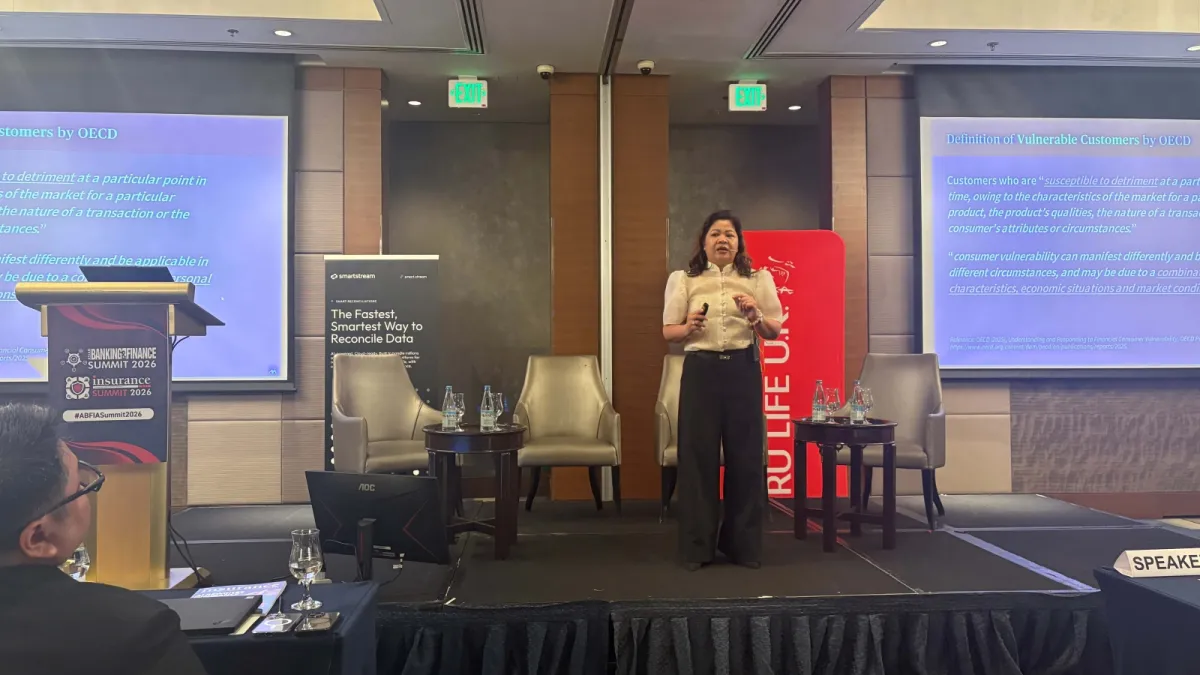
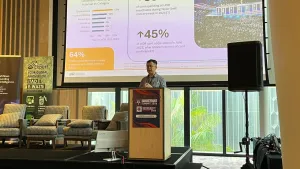
The Philippine insurance sector has an opportunity to strengthen trust and expand financial inclusion by improving how it identifies and supports vulnerable customers, said Karen Jill Espineli, chief compliance officer and general counsel at AXA Philippines.
The country has about 11 million senior citizens, 2.6 million persons with disabilities (PWDs), and 17.8 million people living in poverty, Espineli told the Asian Banking & Finance and Insurance Asia Summit in the Philippines.
“Meanwhile, around 28.7 million Filipinos have only basic financial literacy,” she said. “Within AXA, we define vulnerable customers as individuals whose personal situation makes them more likely to experience harm at any stage of the customer journey.”
Whilst there is currently no single definition of vulnerable customers in the Philippine insurance sector, insurers can draw from guidance used in other jurisdictions, Espineli said.
For example, regulators in markets such as Hong Kong require financial institutions to consider the needs of vulnerable customers when designing and promoting financial products.
Local legislation also provides reference points. Espineli noted that the Philippine Financial Products and Services Consumer Protection Act includes provisions that insurers can use when developing safeguards for vulnerable customers.
The Bangko Sentral ng Pilipinas identifies vulnerable sectors as groups such as the poor, children, women, persons with disabilities, indigenous peoples, overseas Filipinos and their families, and older persons, as well as individuals facing economic risks such as low or irregular incomes.
At the same time, the shift towards digitalisation in financial services could create challenges for certain groups.
“If you are a senior citizen, how can you keep up with AI?” Espineli said.
She added that vulnerable customers may face greater risks of being exposed to unsuitable or complex financial products. “Financial products are becoming more complex, and terms such as personalisation or investment-linked products may be difficult for some customers to understand.”
Espineli urged insurers to define vulnerable customers within their organisations, train employees to recognise vulnerability, test products with vulnerable groups, strengthen controls to prevent abuse, and monitor outcomes.
Ensuring proper protection for vulnerable customers can also help insurers build stronger relationships with the public and support wider financial inclusion.
“We want to make sure that when elderly customers, PWDs, women, and farmers interact with us, they know they are protected,” she said.



















 Read Here
 Advertise
 Sign Up