
This week in insurance: Shipping premiums rise, AI transforms underwriting, Luxury watch claims jump
In India, home loan insurance adoption has increased sevenfold.
The insurance industry from 29 June to 3 July saw developments across market conditions, technology adoption, claims trends, financial resilience, consumer behaviour, and regional growth.
Marine insurance remained available throughout the conflict in the Middle East, although premiums for hull and cargo cover increased, even as around $125b worth of vessels and cargo remain stranded in the Persian Gulf awaiting the resumption of normal operations through the Strait of Hormuz.
In Allianz Research’s Safety and Shipping Review 2026, it estimated that about 1,150 cargo vessels of more than 100 gross tonnes, carrying ships and cargo totalling 29 million gross tonnes, are currently waiting in the Gulf.
Meanwhile, global insurers are rapidly automating their underwriting departments to protect margins against intensifying competition and a softening market, as two in five insurance companies now use artificial intelligence (AI).
A new global study by Sollers Consulting further revealed that AI use was found in insurers’ underwriting operations, shifting investment toward a department that has historically trailed claims and distribution in digital adoption.
Insurance claims for lost and stolen luxury watches have risen fastest in Asia, with insurers reporting an average 21% increase over the past three years.
The survey of 100 insurance loss adjusters and claims managers across Asia, the US, Europe, and the Middle East found that luxury watch claims increased by an average of 17% globally, according to new research by The Watch Register.
Furthermore, Fitch Ratings expects the capital position and profitability of South Korean insurers to stabilise as higher interest rates ease pressure on solvency and improve investment yields.
The ratings agency said rising interest rates should reduce pressure from lower liability discount rates, although insurers could still record short-term unrealised investment losses.
In India, home loan insurance adoption has increased sevenfold over the past five months, driven by borrowers looking to secure their long-term financial liabilities independently of their lenders.
Metro cities currently account for 70% to 75% of total policy purchases, with Delhi NCR leading at 8% to 10%, followed by Mumbai at 5% to 7%, and Bengaluru, Lucknow, and Pune each contributing 3% to 5%, according to an analysis by Policybazaar.
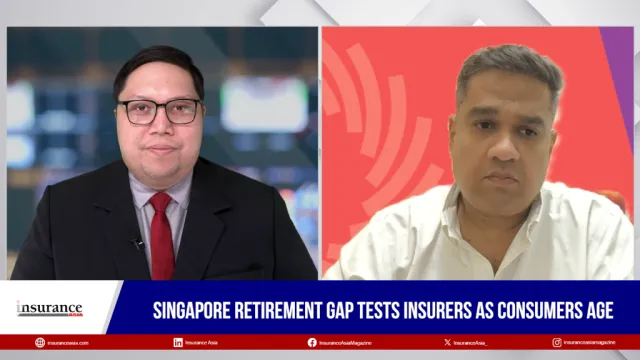
Lastly, many adults in Singapore are delaying their financial planning, including retirement and insurance needs, because they are supporting their families.
Nearly half (46%) of respondents in Singapore have family financial responsibilities, with 62% saying these commitments are affecting their ability to prepare financially for later life, according to Manulife's Asia Care Survey 2026 of 1,074 respondents.





















 Read Here
 Advertise
 Sign Up