
Why Vietnam's finance firms face customer squeeze in a crowded market
NielsenIQ says that building this trust is a job for every part of a company.
Vietnamese customers are starting 2026 with more confidence in the economy and a new openness toward taking on debt, according to the latest data from NielsenIQ (NIQ).
Whilst about 80% of Vietnamese people still make a habit of saving, their attitude toward borrowing is changing.
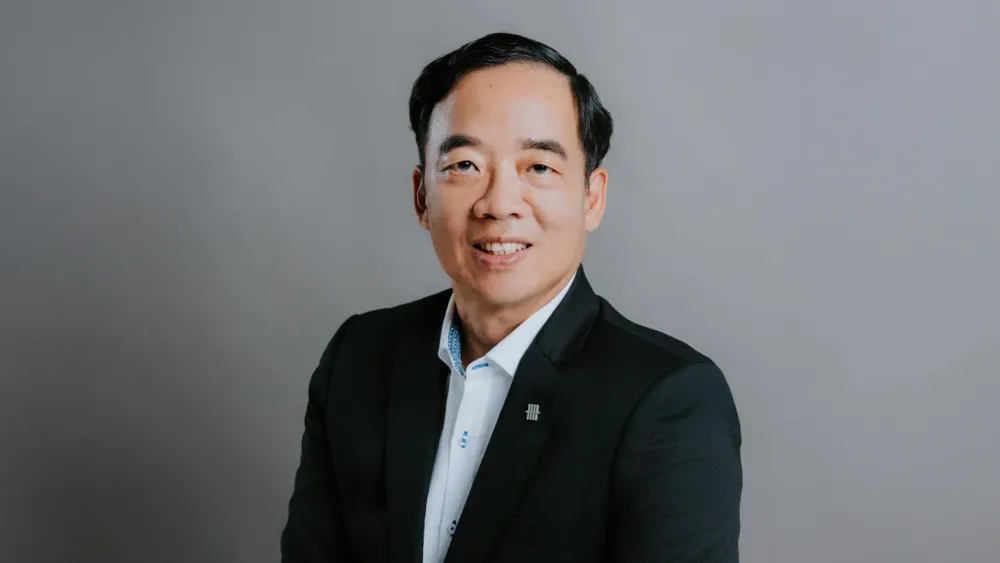
“In the South, people are more open, more willing to take risks,” Thu Nguyen, Strategic Analytics & Insights Senior Manager at NielsenIQ Vietnam, said in Vietnamese last 31 March at the Asian Banking & Finance and Insurance Asia Summit today in Ho Chi Minh City, Vietnam.
However, she notes that people in the North are now following suit.
“The mindset and behaviour of consumers in the North is becoming more open toward taking on debt,” Nguyen says, particularly for investments or buying new products.
At the same time, online savings have doubled over the last two years as banks promote digital tools and customers find them easier to use.
The market remains very competitive. Even though there are about 50 banks in Vietnam, the average person only uses three.
Ten years ago, people chose a bank simply because they knew the name.
Today, 71% of the decision is based on the bank's specific image and how it stands out.
Nguyen said that with so many options, the main struggle for companies is: “How do you compete to become one of those three banks? That’s not easy.”
Trust is still one of the most important factors for customers, but it is no longer just about how many branches a bank has or how much money it holds.
“Consumers increasingly want personalisation. Why? Because they want to feel like they are cared for, that they are unique, that they are special,” Nguyen said.
New data from the insurance and investment sectors shows that better customer service leads directly to higher profits.
Nguyen says that building this trust is a job for every part of a company, from marketing to product design.
“In the end, how we show up—how we exist in the consumer’s mind and in the consumer’s eyes—that is what really matters.”
After a rocky 2025, Vietnam hit its economic goals with 8.0% GDP growth and inflation at about 3.4%.
These figures officially place Vietnam as an upper-middle-income country, creating a strong start for the new year.
Studies show that people have felt increasingly positive about their money and the economy since mid-2023, Nguyen said.





















 Read Here
 Advertise
 Sign Up