Singapore retirement gap tests insurers as consumers age
Healthspan lags lifespan by about 10 years as protection gaps reshape retirement planning.
Singapore’s higher Full Retirement Sum is putting renewed focus on whether consumers have enough savings and protection to fund longer lives and later-life healthcare needs.
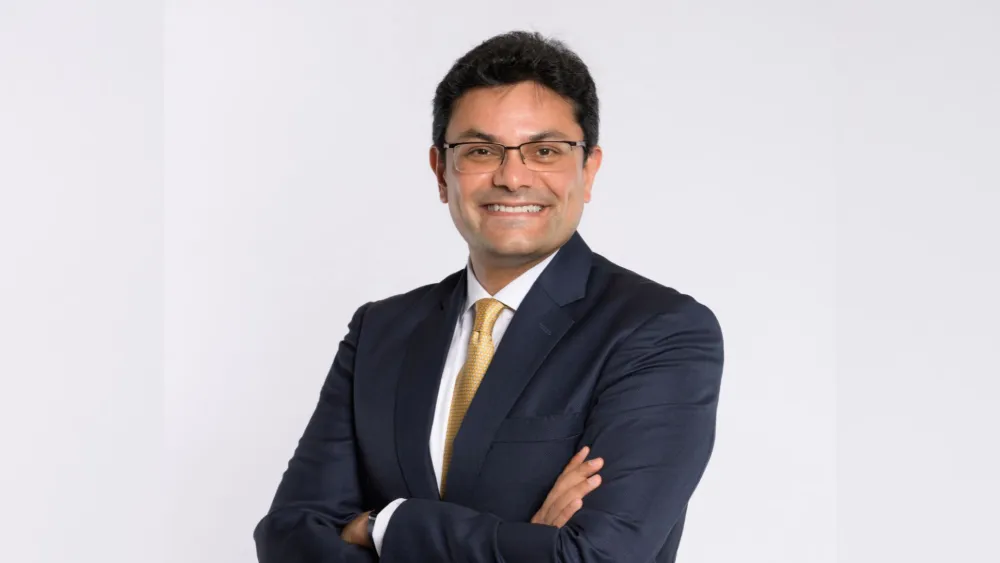
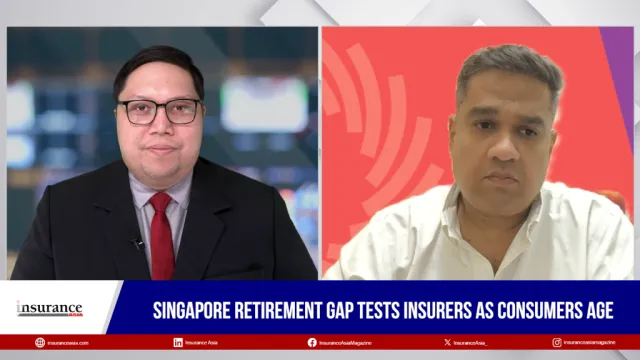
Akhil Doegar, Group Head of Distribution at Singlife, said Singapore’s prosperity masks financial vulnerabilities linked to ageing, low fertility and underinsurance. The Full Retirement Sum has risen to S$220,400, making retirement adequacy a sharper concern for households.
Doegar said Singapore has one of the world’s highest life expectancies, at about 84 years, but healthy life expectancy is closer to 74 years. That gap raises questions over how consumers will fund care when they live longer but spend later years in weaker health.
“If you look at the health span, which is longevity, it's only about 74 years,” Doegar said. “So, what happens in those 10 years when you are around, but you're not that healthy?”
He said Singapore also has a high savings rate, at about 36% of income, but remains underprotected. The mortality gap is about S$370b, whilst the critical illness gap is about S$570b, pointing to financial strain if households face illness, disability or early death.
Doegar said financial advisers need to move beyond product recommendations, servicing, and claims support as financial decisions become more complex. Their role now includes helping customers manage cash flow across different life stages and life events.
“Financial advisers have to see themselves as managers of cash flow for a customer at every life stage,” he said.
Singlife is also using an untied distribution model. Doegar said the insurer does not have a tied agency or exclusive bancassurance partners, allowing products to compete in an open market setting.
For insurers, the test is whether advice and product choice can help consumers connect retirement savings, protection and healthcare needs before longer lifespans widen financial gaps.



















 Read Here
 Advertise
 Sign Up








Commentary
Why expanding embedded insurance is Asian telcos’ next differentiator