This week in insurance: Asians prioritise self-sufficiency, AI gaps emerge, and disaster losses mount
MAS to consult on new Protected Cell Company structure for insurance.
The insurance industry 23 to 26 June saw shifting consumer priorities in Asia, a major platform divestment in Singapore, growing scrutiny of artificial intelligence's (AI) role in insurance discovery, and fresh warnings over the financial cost of uninsured natural disaster losses.
People in Asia are now prioritising personal independence and financial self-sufficiency over traditional wealth inheritance.
The Manulife Asia Care Survey 2026, which polled more than 9,000 adults across nine Asian markets between February and March 2026, found that respondents expect to spend an average of 13 to 14 years late in life requiring care or financial assistance.
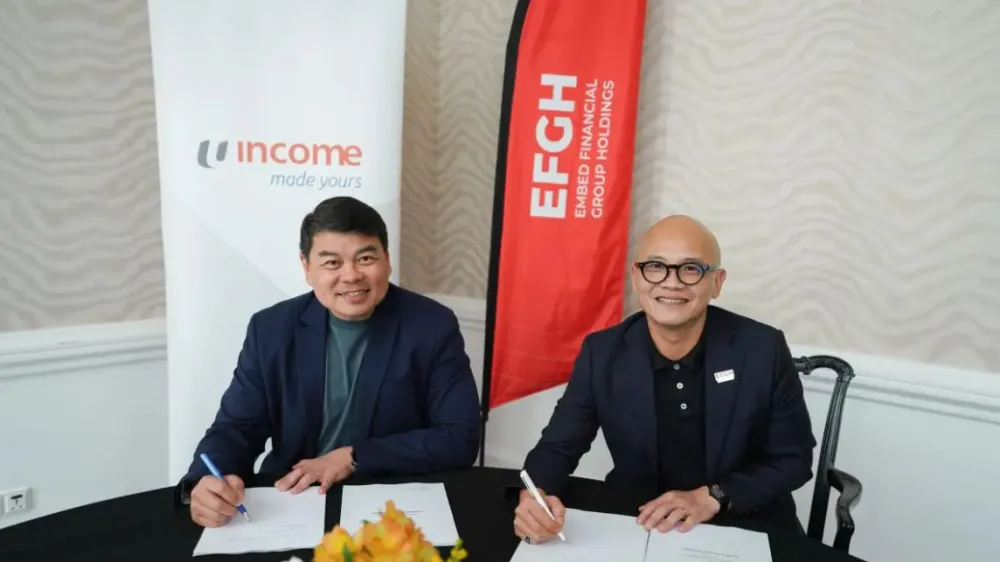
On the corporate front, Income Insurance Limited has announced the business transfer of its digital insurance platform, HIVE, to Singapore-headquartered digital financial infrastructure group Embed Financial Group Holdings Pte Ltd (EFGH).
The transaction is scheduled to close in the third quarter of 2026. Financial terms were not disclosed, but EFGH has recently entered into a business combination agreement with a US-listed special purpose acquisition company ahead of a proposed listing on the New York Stock Exchange, implying an equity value of approximately US$425.0m (S$548.7m).
The role of AI in insurance is also drawing attention as 70% of detailed, specific insurance queries on AI search engines in Australia fail to mention any corporate brand, leaving a significant gap in the market.
The May 2026 AI Search Visibility Report, released by brand monitoring platform Somantra, analysed 34,278 consumer conversations regarding 20 Australian insurance brands across Google AI Overviews and ChatGPT.
The stakes of underinsurance came into sharper focus this week, with a new report warning that uninsured losses from natural disasters and rising sea levels could cost the global economy up to $41.4t over the next two decades.
According to Moody's, a widening "insurance protection gap"—the shortfall between total economic damage and what insurance companies actually pay out—now poses a systemic risk to global stability.
Regulators, meanwhile, moved to address AI risks on two fronts. South Korea's Financial Services Commission (FSC) introduced updated AI guidelines designed to manage risks whilst easing technical barriers.
FSC Vice Chairman Kwon Dae-young outlined a new regulatory framework focused on three core areas: maintaining a level playing field without AI-specific advantages, establishing clear data accountability, and managing unpredictable cybersecurity threats.
Rounding out the week, the Monetary Authority of Singapore (MAS) announced it will consult on introducing a new corporate structure for insurance, called a Protected Cell Company (PCC), to scale alternative risk-transfer solutions.
A PCC allows assets and liabilities to be ring-fenced within individual cells under a single core entity, allowing different risks to be structured separately whilst using shared infrastructure, according to Deputy Prime Minister and Minister for Trade and Industry Gan Kim Yong.











 Read Here
 Advertise
 Sign Up