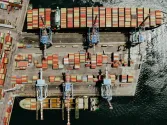
APAC insurers face margin squeeze as Middle East conflict drags
Rising energy bills and supply bottlenecks threaten to lift expenses and worsen claim trends.
Geopolitical tensions and supply-chain disruptions from the Middle East conflict are expected to pressure the Asia-Pacific insurance sector through 2026.
According to S&P Global Ratings’ Q2 2026 Credit Conditions report, whilst insurers in the region generally maintain sufficient capital buffers to absorb immediate stresses, a prolonged conflict could erode these safeguards by fueling inflation and heightening market volatility.
Supply-chain issues and rising energy costs remain the primary risks to the baseline economic forecast.
These factors threaten to drive up insurer operating expenses and claims costs, particularly if pricing adjustments fail to keep pace with deteriorating claim experiences.
Furthermore, a broader economic slowdown may dampen insurance demand from both households and businesses, potentially squeezing profit margins across the industry.
Financial market volatility and unhedged foreign exchange positions are set to test the balance sheet resilience of regional players.
Insurers with significant overseas investments face increased earnings pressure, though some markets have specific buffers in place.
For instance, Japanese insurers are expected to use unrealised gains from domestic equity sales and price fluctuation reserves to offset potential losses from domestic bond sales.
Whilst Asia-Pacific insurers currently possess the capital to manage the situation, the outlook remains sensitive to the duration of the conflict.
Continued trade policy swings and geopolitical uncertainty could amplify market swings, making risk management capabilities a critical differentiator for companies in the coming year.





















 Read Here
 Advertise
 Sign Up