Are Hongkongers ready to fund longer lives without relying on family?
One in five expect children to help fund retirement and care.
Hongkongers are placing greater emphasis on supporting themselves later in life, but surveys point to gaps in financial preparedness and legacy planning.
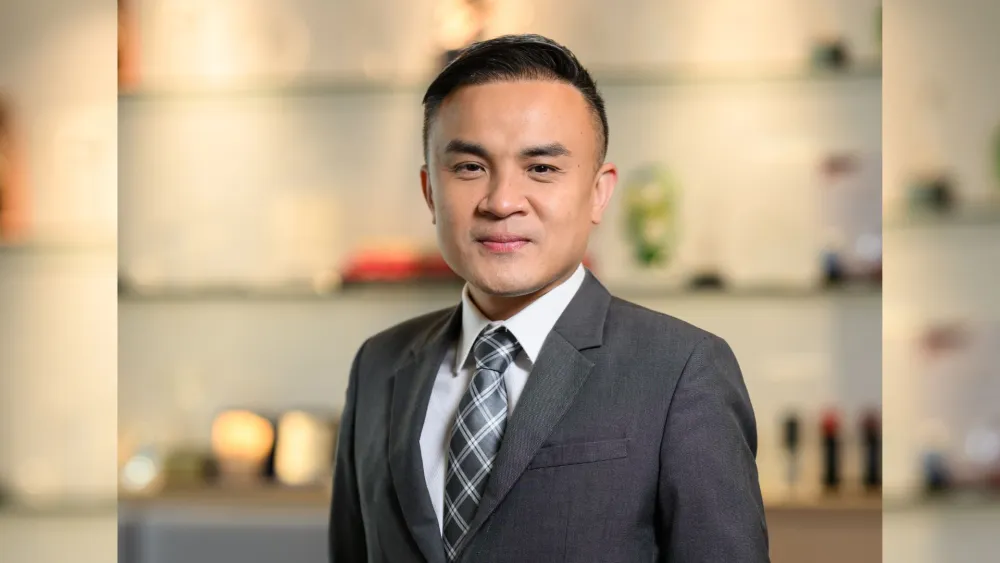
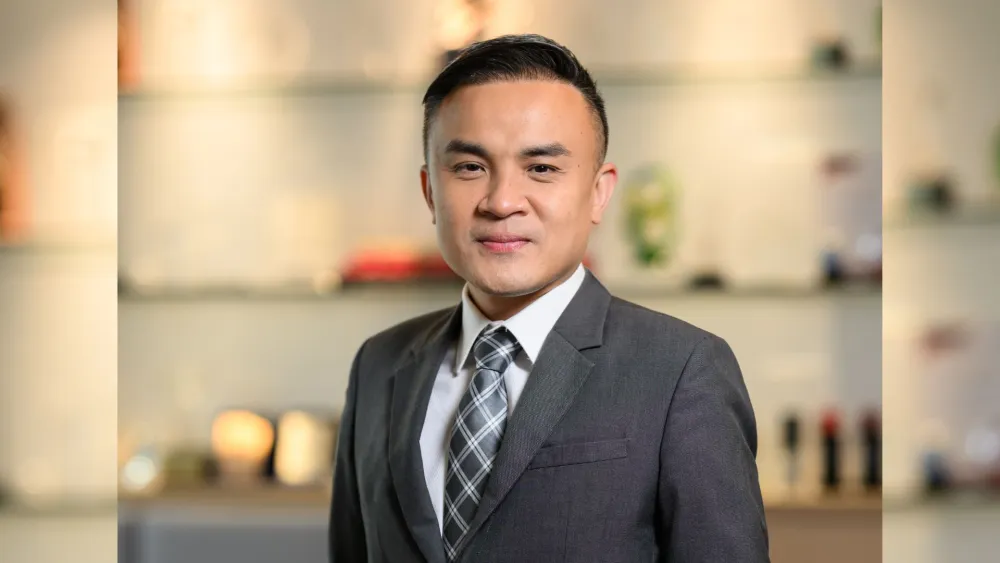
“People in Hong Kong are increasingly defining a meaningful long life not by what they leave behind, but by their ability to choose how they live—supported by good health and strong financial preparedness,” Celia Ling, incoming chief marketing officer for Greater China at Manulife Financial Corporation, said in a statement.
A Manulife survey in June found that 90% of Hongkongers want to remain self-sufficient for as long as possible. They expect to allocate 71% of their assets to their own future needs, compared with 29% for the next generation.
The survey of 1,000 Hong Kong adults also found that 91% view financial independence as a way to avoid burdening family members.
Some 64% ranked "freedom from being a burden" as their top longevity aspiration, rising to 74% amongst respondents aged over 60.
Despite this, only slightly more than half said they use investments to fund retirement and future care needs, whilst just 17% expect to rely on financial support from their children.
“Retirement planning may need to go beyond accumulation to creating sustainable income, resilience and confidence over the 30 to 40 years people may spend in retirement,” Jeanie Ho, head of Hong Kong and Macau Retirement at Manulife, said in the same statement.
Hongkongers expect unexpected healthcare expenses to average about $12,000 (HK$94,000) annually, although only 57% said they feel prepared to meet those costs.
A separate HSBC Life (International) Ltd. survey published in June found that two-thirds of high-net-worth people in Hong Kong and Mainland China have yet to establish a formal legacy plan.
“Insurance has moved front and centre for high-net-worth individuals as a strategic tool to protect and grow wealth, manage risk, and support intergenerational transfer,” Daisy Tsang, CEO at HSBC Life for Hong Kong and Macau.
The study, based on 203 respondents and interviews with eight ultra-high-net-worth people, found that preserving capital was the leading legacy planning objective for 43% of Hong Kong respondents, whilst 42% identified global economic and market volatility as their biggest concern.
Market volatility was the biggest trigger for legacy planning, cited by 47% of respondents—far outweighing the birth of a child and marriage, HSBC Life said.
The survey also found that 38% of respondents think family values should form part of legacy planning, whilst 80% identified life insurance as the primary tool for passing on wealth.
Questions to ponder:
- How can insurers help Hongkongers turn financial independence into sustainable retirement income as people live longer?
- Why do many wealthy families still delay formal legacy planning despite growing concerns over market volatility and wealth transfer?













 Read Here
 Advertise
 Sign Up