Underinsurance crisis leaves 1 in 7 Australian homes unprotected
APRA warns coverage gaps will hit 25% by year 2050.
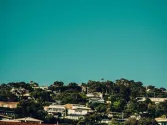
Australian home owners are currently facing a deepening underinsurance crisis as a combination of high inflation and frequent extreme weather events drives home insurance premiums beyond the reach of many households.
A recent brief from S&P Global Ratings indicates that this widening protection gap is expected to impact insurers whilst increasing financial risks for both homeowners and banks.
Data from the Australian Prudential Regulation Authority (APRA) shows that one-in-seven Australian homes are currently uninsured.
Under severe climate-change scenarios, APRA estimates this figure could rise to one-in-four homes by the year 2050.
This trend is largely driven by households choosing to reduce or cancel coverage to manage other essential costs, such as rising interest rates and high energy bills.
The financial impact on the insurance industry is already significant, with the Insurance Council of Australia reporting that extreme weather cost insurers A$3.5 billion in 2025.
To maintain profitability, insurers are expected to continue raising premium rates in response to these high claim costs.
However, these price hikes further erode affordability for the general public.Beyond rising premiums, higher building costs are contributing to the problem.
Many homeowners find themselves underinsured because the cost to replace their home has grown higher than their original coverage amount.
These costs are further increased by the addition of government service taxes and various state-based insurance taxes.
The situation has reached a point where government intervention is becoming more likely. In high-risk areas where private insurance is no longer affordable, the public sector may need to step in.
For example, the Tasmanian government has proposed creating a state-owned insurer called Tasinsure, which would move the financial risk from private companies to taxpayers.
If the number of uninsured properties continues to grow, it could create a domino effect across the financial system.
Uninsured losses leave homeowners in financial distress and expose banks to credit losses when the properties used as collateral for loans are no longer protected.






















 Read Here
 Advertise
 Sign Up