Trade credit insurers face higher default risk from Middle East conflict
Geopolitical and political risk is now cited as the top concern by 65% of firms.
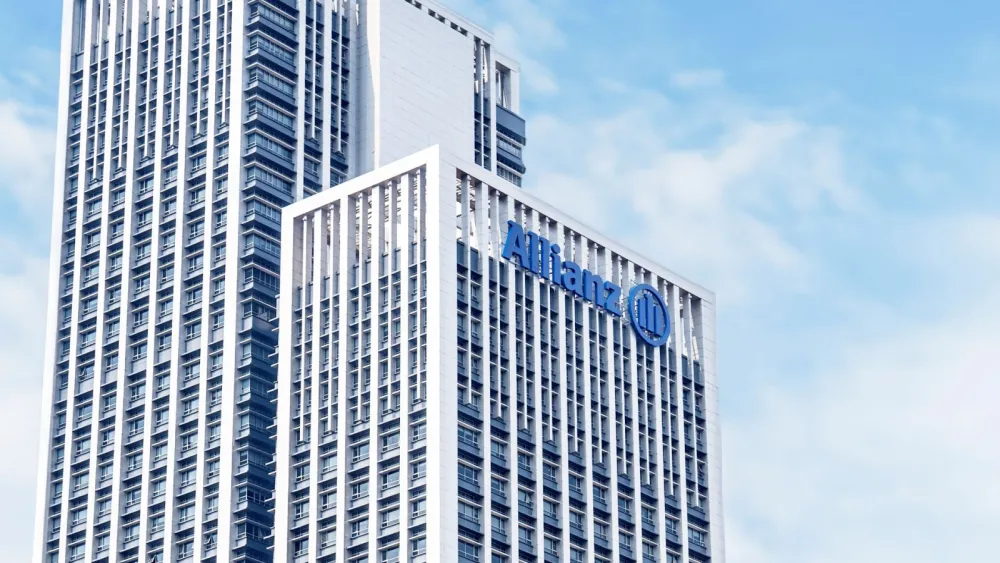
The conflict in the Middle East is increasing pressure on trade credit insurance and risk assessment, even as most companies continue to expect export growth in 2026, according to the Allianz Trade Global Survey.
Based on a survey of 6,000 companies across 13 markets, Allianz Trade said 75% of exporters still expect positive export growth this year.
However, the risk environment has shifted, with geopolitical and political risk now cited as the top concern by 65% of firms, overtaking supply chain issues that dominated in 2025.
From an insurance perspective, the main impact is a deterioration in payment behaviour and a rise in non-payment risk.
Payment cycles have lengthened since the start of the conflict, with the share of companies receiving payment within 30 days falling from 10% to 7%.
At the same time, those waiting more than 70 days for payment increased from 15% to 24%.
Looking ahead, 43% of firms expect payment terms to worsen further, an increase of five percentage points compared with pre-conflict levels.
The proportion of companies expecting higher non-payment risk has also risen to 40%, up six percentage points.
This trend is particularly relevant for trade credit insurers, as longer payment cycles and higher default risk increase claims pressure and require closer monitoring of corporate creditworthiness.
Sectors such as pharmaceuticals, construction, and computers and telecommunications are seen as the most exposed, whilst larger companies are experiencing more pronounced delays in payments.



















 Read Here
 Advertise
 Sign Up