Severe storms drive $60b in insured catastrophe losses
Hail events dominate payouts, accounting for up to 80% of related claims.
Severe convective storms (SCS) accounted for nearly half of all insured natural catastrophe losses last year, totalling over $60b.
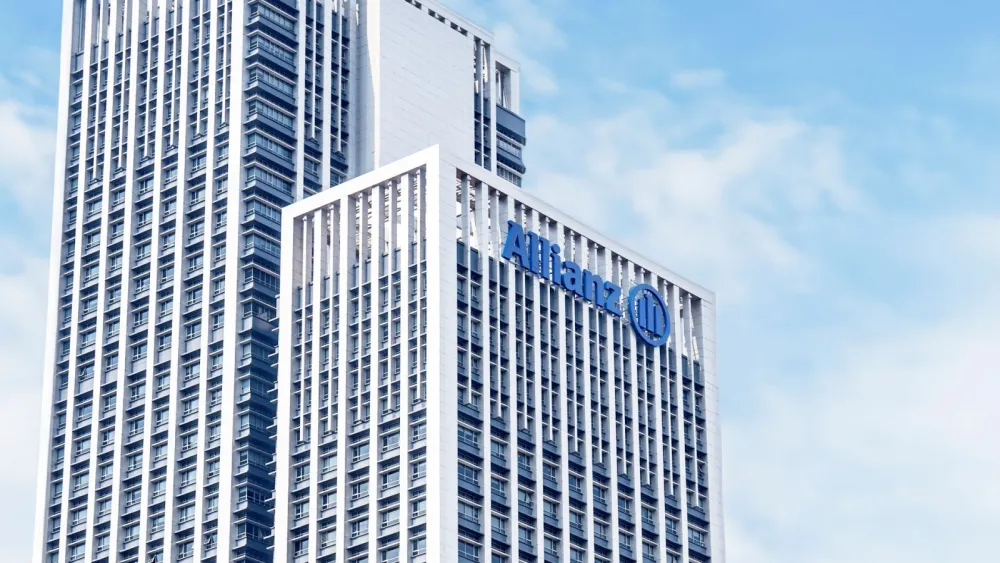
This trend is reflected in the latest Allianz Risk Barometer, where natural catastrophes currently rank as the fifth highest business risk globally.
Severe convective storms (SCS) have emerged as a primary driver of global insurance claims, with accumulated losses exceeding $200b between 2023 and 2025 according to Gallagher Re.
Unlike hurricanes, these events often strike with little warning, causing localised destruction through flash flooding, high winds, and hailstorms.
Whilst tornadoes frequently capture public attention, hailstorms are responsible for 50% to 80% of all SCS-related insurance losses.
Beyond the US, regions such as northern Spain have seen substantial damage. The severity of these claims is rising as storms increasingly impact high-value assets, including aircraft fleets and solar power installations.
The physical impact of these events is significant. A baseball-sized hailstone can travel at speeds exceeding 160kph, carrying the kinetic energy of a professional baseball pitch.
Consequently, damaging winds and hail are now the leading causes of expensive property and vehicle claims.
Several factors are compounding the financial impact of these storms. Population growth in hazard-prone areas and rapid urbanisation have increased the volume of assets at risk.
Ageing buildings and outdated construction codes often fail to meet current weather exposures.
The cost of repairing and rebuilding has surged. For example, Willis Re reports that the cost of asphalt roof replacements has risen 45% in the last five years and 250% since 2000. These costs are further aggravated by shortages in skilled labour and materials.
Thomas Lillelund, CEO of Allianz Commercial, noted that whilst SCS are often labelled "secondary perils," their cumulative financial impact now rivals or exceeds that of primary perils like hurricanes.
He stressed the need for businesses to move beyond traditional scenario planning toward proactive risk management.
Insurance experts are now advocating for the use of Artificial Intelligence to identify physical vulnerabilities in advance.
Michael Bruch, Global head of Risk Advisory Consulting Services at Allianz Commercial, stated that traditional catastrophe models often struggle to account for specific property factors like roof type or asset value.
By leveraging AI and data-driven insights, companies can identify weak points in facades and roofs before a storm occurs.













 Read Here
 Advertise
 Sign Up