PH insurers must prioritise simplicity to expand coverage: executives
Embedding insurance into everyday transactions can also improve affordability.
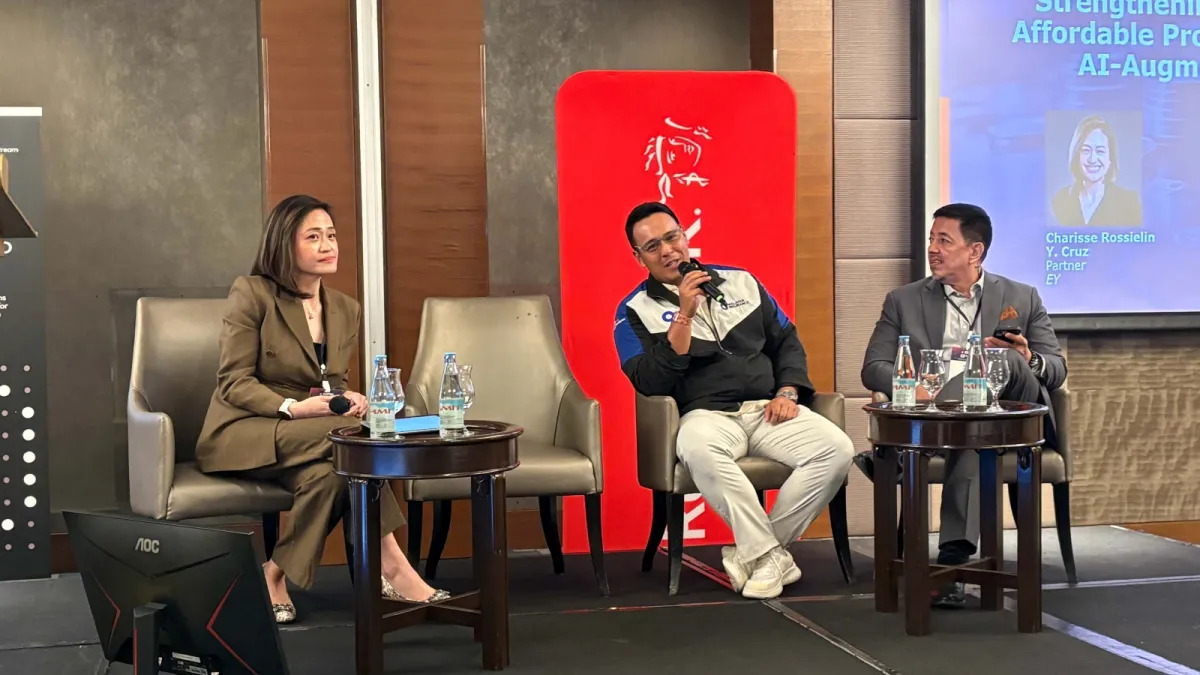
Insurers need to simplify products and make them easier for customers to understand if they want to expand coverage, industry executives told the Asian Banking & Finance and Insurance Asia Summit in the Philippines.
Product development is always customer-centric, according to Arnolfo ‘Nol’ de Leon, chief agency office at FWD Insurance.
“We start by listening. We try to design products around what they really need and not on what is easy to sell,” he said during the panel discussion.
FWD follows an ‘Easy Five’ approach—easy to know, easy to buy, easy to engage, easy to claim, and easy to love—when designing insurance products. De Leon said this keeps policies simple and avoids unnecessary features or complicated language.
He added that simplicity can help keep costs low whilst making products more accessible. “We use data to price risk accordingly.”
One example he cited is the group’s customisable plan for pet lovers sold online that allows customers to add benefits such as accident or critical illness coverage. The plan covers up to 34 critical illnesses and starts at ₱333.30 annually in its first year.
“Why pet lovers? Because for every purchase of this product, we donate to animal welfare,” de Leon said. “We believe all of this helps us design products that meet Filipino needs, including those for low-margin networks.”
'Embedded insurance'
Beyond simplifying products, insurers are also looking at how protection can be integrated into everyday consumer transactions.
Anthony Louis Gunzon, chief marketing officer of Malayan Insurance Co., Inc., said affordability should be considered in the context of when customers actually need protection.
“Affordability definitely goes beyond pricing,” Gunzon said. “What stands out is the ‘moment of truth’—when the product is embedded in the customer’s journey.”
Gunzon cited an example from the UK where a fast-food chain offers what is known as ‘seagull insurance.’ Customers buying a burger meal can pay about $1.34 (£1) for protection that reimburses the cost of the meal if it is taken by a seagull.
“It’s technically a very affordable product,” he said. “But the way it’s marketed is not about the price — it’s about the relevance of it in that specific contextual journey.”
At Malayan Insurance, he said the company has developed a dedicated customer experience group to better understand consumer behaviour and improve product design.
One example involved the company’s pet insurance product, which initially required pet owners to provide pedigree numbers. “Unless you’re doing dog shows, most people don’t have pedigree numbers.”
The requirement significantly reduced the potential market, according to Gunzon. The company later removed the requirement after reviewing how customers actually purchase insurance.
Moreover, the panel discussion highlighted the importance of improving the claims experience, which is often one of the few direct interactions customers have with insurers.
De Leon said FWD has invested in workflow automation and straight-through processing to speed up claims handling and reduce manual steps. It has also adopted artificial intelligence tools to help agents answer customer questions and guide them through the claims process.
“Despite these advances, however, the business of life insurance remains largely relational in the Philippines,” he added.
$1 = £0.74














 Read Here
 Advertise
 Sign Up