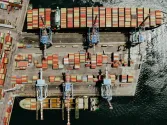
Reinsurers reprice risk as Hormuz disruption hits oil flows
The waterway carries about 20% of global crude supply and a large share of LNG shipments.
The closure of the Strait of Hormuz is putting pressure on global reinsurance markets, with impacts spreading beyond marine risks into energy, political violence and broader macroeconomic conditions, according to analysis by Howden Re.
The waterway, which handles around 20% of global oil supply and a large share of liquefied natural gas shipments, has seen major disruption to shipping activity following escalating conflict in the Middle East.
This has led to sharp increases in war risk premiums and a rapid repricing or withdrawal of insurance capacity across multiple lines.
Howden Re said the situation is not limited to a single class of business but represents a wider stress test for the insurance and reinsurance sector.
Immediate impacts are being felt in marine, energy and political violence lines, whilst longer-term risks may emerge through inflation, interest rates and capital pressures if energy supply disruptions persist.
Marine war risk markets have seen widespread cancellations and significant premium increases, with cover increasingly placed on a voyage-by-voyage basis.
At the same time, energy insurers are facing rising exposure from potential infrastructure damage and business interruption across offshore, downstream and LNG assets in the Gulf region.
Demand for political violence and terrorism cover has increased, particularly for Western-operated assets, with insurers tightening underwriting standards and focusing more on risk aggregation and policy structures.
Aviation, cyber and trade-related lines are also experiencing higher risk assessments as disruption affects supply chains.
Trade credit and political risk insurers have so far reported limited losses, but prolonged disruption could raise default and non-payment risks.
Howden Re said credit and liquidity stress could emerge if the situation continues, potentially affecting payment performance and contractual obligations across global trade.
Despite these pressures, the firm said the reinsurance market remains well capitalised, with no signs of a broad withdrawal of capacity.
Instead, the response is expected to centre on targeted repricing, tighter terms and conditions, and increased scrutiny of risk exposure, particularly ahead of mid-year renewals.






















 Read Here
 Advertise
 Sign Up